Noi on kaikkein pahimpia paskanjauhamisia. Merivirtoihin vaikuttaa lähes pelkästään maapallon pyörimisliike ja mantereiden sijainnit. Hiilidioksidilla ei ole tiettävästi mitään vaikutusta asiaan.Vai oliko se niin, että täällä on pian Alaskan ilmasto.
Golf-virta hyytyy, ja lämpö pysyykin etelämpänä.

Install the app
How to install the app on iOS
Follow along with the video below to see how to install our site as a web app on your home screen.
Note: This feature may not be available in some browsers.
You are using an out of date browser. It may not display this or other websites correctly.
You should upgrade or use an alternative browser.
You should upgrade or use an alternative browser.
Ilmastopsykoosi -ketju
- Viestiketjun aloittaja Vonka
- Aloitus PVM

Jos sattuis käymään niin, että vaikka Grönlannin ja pohjoisnavan jäätiköt sulaisivat, niin eiköhän se johonkin vaikuttaisi.Noi on kaikkein pahimpia paskanjauhamisia. Merivirtoihin vaikuttaa lähes pelkästään maapallon pyörimisliike ja mantereiden sijainnit. Hiilidioksidilla ei ole tiettävästi mitään vaikutusta asiaan.
Jos sattuis käymään niin, että vaikka Grönlannin ja pohjoisnavan jäätiköt sulaisivat, niin eiköhän se johonkin vaikuttaisi.
Ylikoo ja baikal siirtyisivät portugalin rajalle huutaen että climate asylum!
Laittaisin vielä palestiinalaishuivin kaulaan!Ylikoo ja baikal siirtyisivät portugalin rajalle huutaen että climate asylum!

Tais joku tutkimus olla, että kun jäätiköt sulaa ja pohjoisien merien suolapitpisuus laskee, niin se estää pintavesien painumista pohjaan (eikös suollainen vesi oo raskaampaa) ja siellä se kylmän suolaisen veden kulkeutumista etelään jolloin lämpimänpintaveden virtaus taas pohjoiseen hidastuu kun ei oo takaisinvirtausta.Noi on kaikkein pahimpia paskanjauhamisia. Merivirtoihin vaikuttaa lähes pelkästään maapallon pyörimisliike ja mantereiden sijainnit. Hiilidioksidilla ei ole tiettävästi mitään vaikutusta asiaan.
Älkää tehkö niinkuin minä teen, vaan...

Tutkijoiden mukaan arktisen alueen merijään sulaminen on hidastunut dramaattisesti viimeisten 20 vuoden aikana, eikä sen laajuudessa ole havaittu tilastollisesti merkitsevää vähenemistä vuoden 2005 jälkeen.
Tutkijoiden mukaan löydös on yllättävä, kun otetaan huomioon, että fossiilisten polttoaineiden polttamisesta aiheutuvat hiilidioksidipäästöt ovat jatkuvasti nousseet ja sitoneet itseensä yhä enemmän lämpöä tänä aikana.
Luontainen vaihtelu on kääntynyt suurelta osin kumoamaan merijään sulamisen. Se on antanut meille hieman lisää aikaa, mutta tutkijoiden mukaan kyseessä on väliaikainen helpotus.

 www.theguardian.com
Tutkijoiden mukaan löydös on yllättävä, kun otetaan huomioon, että fossiilisten polttoaineiden polttamisesta aiheutuvat hiilidioksidipäästöt ovat jatkuvasti nousseet ja sitoneet itseensä yhä enemmän lämpöä tänä aikana.
Luontainen vaihtelu on kääntynyt suurelta osin kumoamaan merijään sulamisen. Se on antanut meille hieman lisää aikaa, mutta tutkijoiden mukaan kyseessä on väliaikainen helpotus.
Dramatic slowdown in melting of Arctic sea ice surprises scientists
Natural climate variation is most likely reason as global heating due to fossil fuel burning has continued

arix
Respected Leader
Olisiko vastaus tässä vanhassa artikkelissa:Tutkijoiden mukaan arktisen alueen merijään sulaminen on hidastunut dramaattisesti viimeisten 20 vuoden aikana, eikä sen laajuudessa ole havaittu tilastollisesti merkitsevää vähenemistä vuoden 2005 jälkeen.
Tutkijoiden mukaan löydös on yllättävä, kun otetaan huomioon, että fossiilisten polttoaineiden polttamisesta aiheutuvat hiilidioksidipäästöt ovat jatkuvasti nousseet ja sitoneet itseensä yhä enemmän lämpöä tänä aikana.
Luontainen vaihtelu on kääntynyt suurelta osin kumoamaan merijään sulamisen. Se on antanut meille hieman lisää aikaa, mutta tutkijoiden mukaan kyseessä on väliaikainen helpotus.
Dramatic slowdown in melting of Arctic sea ice surprises scientists
Natural climate variation is most likely reason as global heating due to fossil fuel burning has continued
"Metsäntutkijoiden ja aurinkotutkijoiden mukaan ilmaston lämpiäminen 1900-luvulla johtuu pääosin auringon aktiivisuuden voimakkaasta kasvusta. Auringon aktiivisuus nousi 1900-luvulla korkeammalle kuin tuhansiin vuosiin. Aktiivisuus on nyt heikkenemässä ja ilmasto alkaa ehkä viilentyä riippuen merien aiheuttamasta viiveestä. 2000-luvulla lämpötila ei ole noussut, vaikka hiilidioksidipitoisuus on kasvanut jyrkästi."
Ilmaston muutosten syy sittenkin auringon säteilyn vaihtelu?
Puiden vuosirenkaiden eli vuosilustojen tutkimus eri maissa on viime vuosina antanut uutta tietoa maapallon ilmastosta. Tulosten mukaan ilmaston muutosten syynä voi hiilidioksidipäästöjen sijasta olla auringon säteilyn vaihtelu kymmenien ja satojen vuosien kulu…
 suomenkuvalehti.fi

Olisiko vastaus tässä vanhassa artikkelissa:
"Metsäntutkijoiden ja aurinkotutkijoiden mukaan ilmaston lämpiäminen 1900-luvulla johtuu pääosin auringon aktiivisuuden voimakkaasta kasvusta. Auringon aktiivisuus nousi 1900-luvulla korkeammalle kuin tuhansiin vuosiin. Aktiivisuus on nyt heikkenemässä ja ilmasto alkaa ehkä viilentyä riippuen merien aiheuttamasta viiveestä. 2000-luvulla lämpötila ei ole noussut, vaikka hiilidioksidipitoisuus on kasvanut jyrkästi."
Ilmaston muutosten syy sittenkin auringon säteilyn vaihtelu?
Puiden vuosirenkaiden eli vuosilustojen tutkimus eri maissa on viime vuosina antanut uutta tietoa maapallon ilmastosta. Tulosten mukaan ilmaston muutosten syynä voi hiilidioksidipäästöjen sijasta olla auringon säteilyn vaihtelu kymmenien ja satojen vuosien kulu…
Guardianin artikkelin mukaan napajäätiköiden sulaminen on hidastunut ja yllättänyt tutkijat. Syy on tietysti luonnollinen ilmastonmuutos, joka toimii ihmisen aiheuttamaa ilmastonmuutosta vastaan.
Dramatic slowdown in melting of Arctic sea ice surprises scientists
Natural climate variation is most likely reason as global heating due to fossil fuel burning has continued

Ilmasto ahdistuneet on taas tehneet loistavan valinnan :
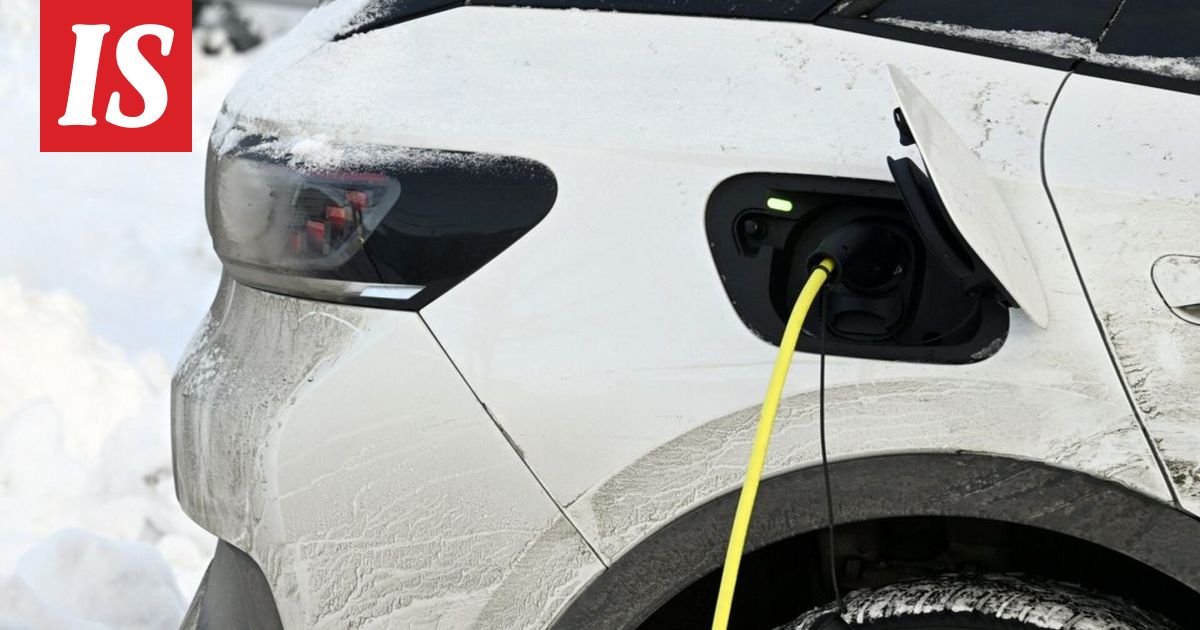
 www.is.fi
Kunnalle hankitut 12 sähköautoa osoittautuivat huonoksi ideaksi – SR raportoi nyt hoitajien auto-ongelmasta ja paluusta polttomoottoriin
Sähköautokokeilu Pajalassa epäonnistui.
Kunnalle hankitut 12 sähköautoa osoittautuivat huonoksi ideaksi – SR raportoi nyt hoitajien auto-ongelmasta ja paluusta polttomoottoriin
Sähköautokokeilu Pajalassa epäonnistui.
www.is.fi
Näyttää kuitenkin siltä että sähköautojen hyötysuhde on paranemassa ja tätä myöten kantama. Viidessä vuodessa tilanne paranee merkittävästi (ja nykyisten sähköautojen arvo alenee..).Ilmasto ahdistuneet on taas tehneet loistavan valinnan :
Keksijä Ville Widing, 86, väittää kehittäneensä menetelmän metaanin talteenottoon ilmastonmuutoksen torjumiseksi.
Laite kaappaa metaania viemäreistä ja navetoista ja muuntaa sen energiaksi.
LUT-yliopiston apulaisprofessori Kristian Melin pitää keksintöä kiinnostavana ja mahdollisesti laajasti hyödynnettävänä.
Widing on Suomessa tarjonnut keksintöään eri tahoille, mutta toistaiseksi mikään yritys tai julkinen laitos ei ole ottanut aihetta omakseen. Widingiä on vain kehotettu perustamaan yritys ja hakemaan sille innovaatiotukea.
Widing on huomattavan iäkäs, eikä hän aio enää harjoittaa laajamittaista yritystoimintaa. Sen sijaan hän toivoo yhteistyökumppania, joka ymmärtäisi keksinnön arvon ja mahdollisuudet.
”Olen viime aikoina yrittänyt olla fennomaani, ja haluaisin pitää tämän keksinnön Suomessa.”
(Widing keksi 16-vuotiaana yksiotehanan, jonka patentin hän myi Yhdysvaltoihin. Myöhemmin suomalainen Oras osti yrityksen ja sai näin patentin itselleen.)
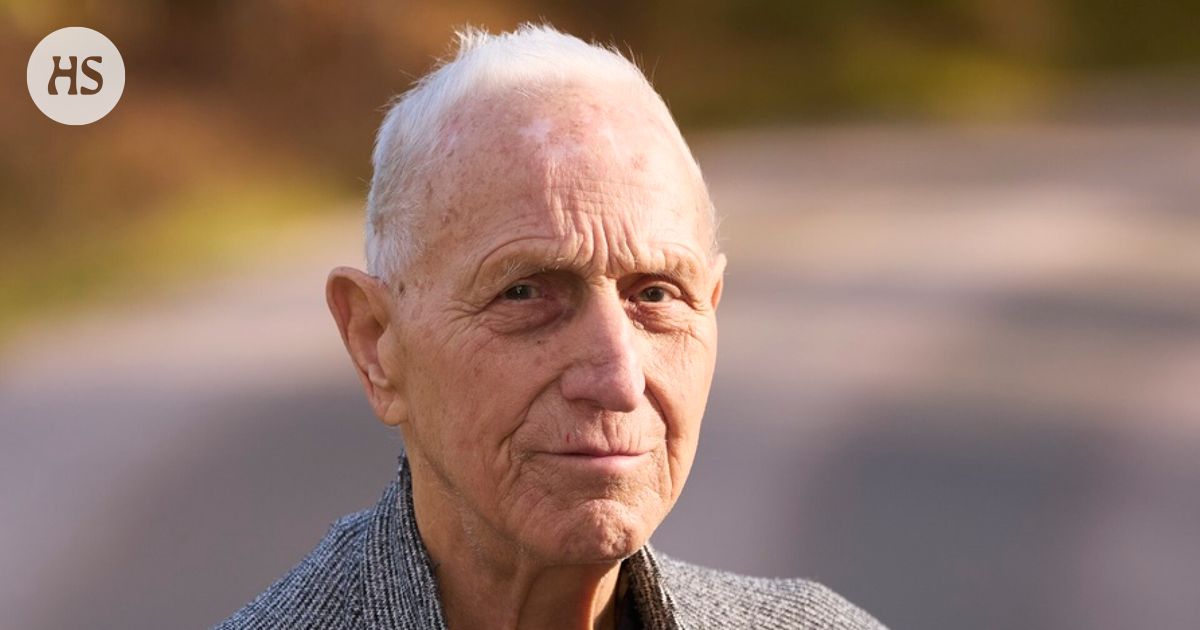
 www.hs.fi
Laite kaappaa metaania viemäreistä ja navetoista ja muuntaa sen energiaksi.
LUT-yliopiston apulaisprofessori Kristian Melin pitää keksintöä kiinnostavana ja mahdollisesti laajasti hyödynnettävänä.
Widing on Suomessa tarjonnut keksintöään eri tahoille, mutta toistaiseksi mikään yritys tai julkinen laitos ei ole ottanut aihetta omakseen. Widingiä on vain kehotettu perustamaan yritys ja hakemaan sille innovaatiotukea.
Widing on huomattavan iäkäs, eikä hän aio enää harjoittaa laajamittaista yritystoimintaa. Sen sijaan hän toivoo yhteistyökumppania, joka ymmärtäisi keksinnön arvon ja mahdollisuudet.
”Olen viime aikoina yrittänyt olla fennomaani, ja haluaisin pitää tämän keksinnön Suomessa.”
(Widing keksi 16-vuotiaana yksiotehanan, jonka patentin hän myi Yhdysvaltoihin. Myöhemmin suomalainen Oras osti yrityksen ja sai näin patentin itselleen.)
Ilmastonmuutos | Ville Widing, 86, sanoo keksineensä ilmastonmuutoksen torjujan ja pitää sitä ”Nokiaakin isompana keissinä”
Keksijä Ville Widing, 86, kehittää laitetta, joka torjuu ilmastonmuutosta kaappaamalla metaania viemäreistä ja navetoista. Apulaisprofessorin arvion mukaan laite ”voisi olla laajasti hyödynnettävissä.”
www.hs.fi
Turkkiin on ilmestynyt satoja syviä kuoppia – synkkä viesti ihmiskunnalle
Asiantuntijat ovat nimenneet maanvajoamien pääasiallisiksi syiksi ilmastonmuutoksen sekä siitä seuraavan kuivuuden ja laajamittaisen pohjaveden käytön.
Koska satojen onnistuminen pitkittyneinä kuivuuskausina edellyttää alueen maanviljelijöiltä runsasta kastelua, kalkkikivikerroksista pumpataan ylös valtavia määriä vettä. Tämän seurauksena aiemmin täynnä vettä olleet maanalaiset luolat tyhjentyvät.
No kysäistään alueen maankäytön trendeistä tekoälyltä ja saadaan aiemmat tutkimustulokset tietoon. En edes kysynyt kuopista, vaan tekoäly toi ne ihan pyytämättä näytille. Kysyin puhtaasti avoimen kysymyksen alueen maankäytön trendeistä viime vuosikymmeninä.
In Konya, the amount of arable and agricultural land has remained relatively constant in percentage terms over the past decades, fluctuating between roughly 47% and 54% of the total area. However, there have been significant shifts in land use and management practices, rather than a large overall increase in total arable area.
Key trends over the past decades include:
Stable Percentage: The proportion of total land dedicated to agriculture in Konya Province has stayed around 50% for several decades.
Decrease in National Agricultural Land: Across Turkey as a whole, the total amount of agricultural land decreased by about 12% between 2000 and 2017 due to urbanization and non-agricultural construction, though Konya maintained its share.
Conversion of Land Types: Within the Konya Closed Basin, there has been a notable increase in croplands and a decrease in grasslands between 2001 and 2018. Much of this change involved transforming pasture and fallow land into permanent or temporary crop cultivation areas.
Crop-Specific Area Increases: The area dedicated to high-value, water-intensive crops has expanded dramatically. The cultivated area for corn saw a staggering 1226% increase over 20 years, and sugar beet area increased by 81.4%, driven by higher economic returns.
Intensification: The expansion of agriculture into water-intensive crops has led to increased irrigation, which has contributed to environmental challenges such as the depletion of groundwater and an increase in sinkholes. While the total area has not substantially increased, the intensity and specific types of cultivation have changed dramatically.
Eli maankäyttö määrällisesti on pysynyt ennallaan, mutta karjalle tarkoitetut kastelemattomat ruohotasangot on muutettu viljelymaiksi, joita tarvitsee kastella. Reilun 20v aikana, jolloin näitä kuoppia on alkanut ilmestymään esimerkiksi maissin viljely on kasvanut 1226% eli yli 12-kertaiseksi. Myös muut viljelylajikkeet ovat lisääntyneet alueella tuntuvasti.
Lihasta kasviksiin on ilmastofanaatikkojen sanoma. Se juuri on aiheuttanut nämä kuopat, ei suinkaan ilmastonmuutos. Ilmastonmuutoksella ei ole mitään tekemistä koko asian kanssa. Kuoppien syntymekanismi mtv-uutisessa on oikein kerrottu, mutta syy miksi näin on käynyt, on valheellinen ja täysin keksitty. Todellinen syy on siirtymä kastelutarpeiseen viljelyyn, loppupeleissä ihmisen ahneus, koska tekoäly-yhteenvedossa todetaan siirtymän olleen taloudellisesti motivoitu paremman kannattavuuden maankäyttöön.
Linkki ilmasto-valeuutiseen alla.

Turkkiin on ilmestynyt satoja syviä kuoppia – synkkä viesti ihmiskunnalle
Turkissa maa kirjaimellisesti vajoaa alta ilmaston lämpenemisen takia.